Osteopathy is a kind of manual health care that uses hands to help the body work better. It focus on the body structure and how it affects the body function. In osteopathy, we look at muscles, joints, spine, posture, and also how the person moves in daily life.
The idea is that the body is connected together. So if one part is not moving well, it can create stress and pain in another part. Osteopathy try to find the cause of the problem, not only the symptoms. It is not just “crack the bones”, it is more about balance, mobility, and helping the body to self heal.
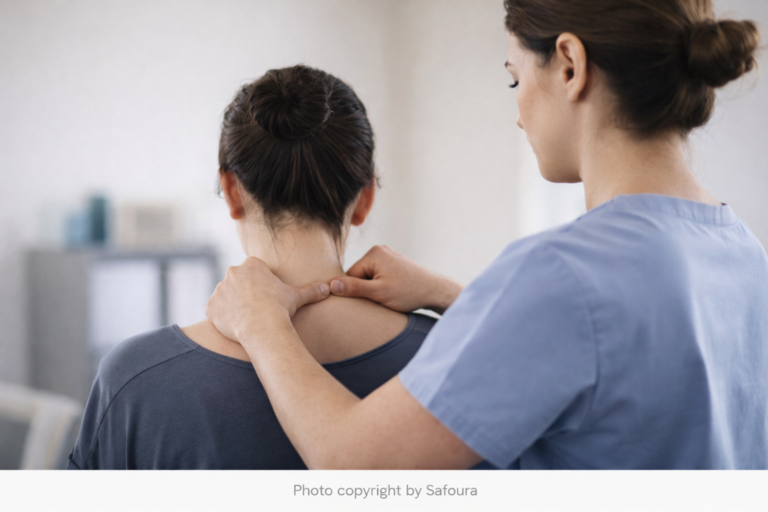
Osteopaths use different manual techniques like soft tissue work, stretching, joint mobilization, and gentle manipulation (when needed). Also, we can give advice about posture, breathing, daily habits, and exercises. Osteopathy is usually safe and it can help many people with common issues like back pain, neck pain, headache, stiffness, and body tension from stress.
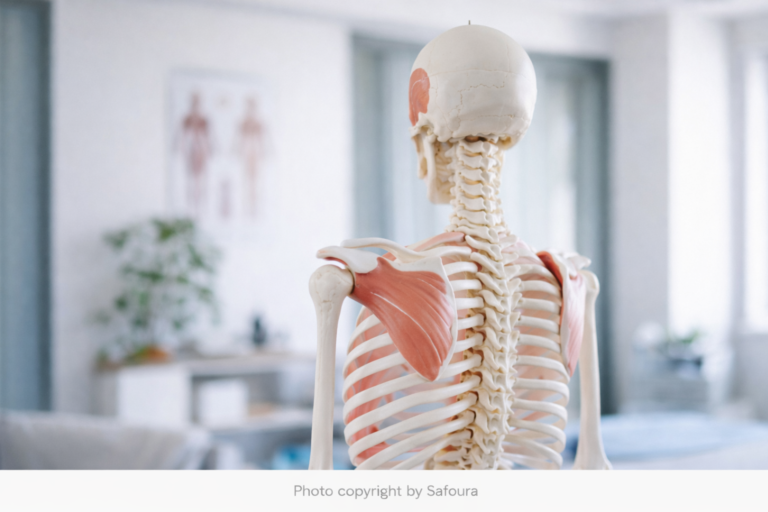
Osteopathy is a hands-on therapy that helps the body to move better and feel better. It works with the musculoskeletal system, like muscles, bones, joints, and fascia. When the body have good movement and good circulation, it can support healing and reduce pain.
In osteopathy, we see the patient as a whole person. It means we don’t only look at one painful area, we also check other parts that can be connected. For example, sometimes shoulder pain can be related to the neck, or low back pain can be connected to hips and posture. Osteopathy is not only for pain, it can also help to improve function and quality of life.
Why did I choose it as a profession?
I choose osteopathy because I like working with people and helping them in a natural way. I always felt interested in the human body, specially how small changes in posture or movement can make big difference in pain and comfort.
Also, I like that osteopathy is not only about one technique. It is more about understanding the person, listening to them, and then choosing the best approach. I feel it is a profession that needs knowledge, practice, and also good communication.
Another reason is that osteopathy feels very practical. We learn anatomy, biomechanics, and clinical thinking, and then we apply it with our hands. For me, it is satisfying when a patient feel better after treatment and they understand what was happening in their body.
In the future, I want to keep improving my skills and help people to move easier, have less pain, and feel more confident in their daily life.